Resources› Blog ›Weaning & Toddlers
Weaning & ToddlersSmall Steps: Tips to Keep in Mind When Your Child Is Learning to Walk
Watching your child learn to walk is a wonderful, albeit stressful, time in your life. You need to ensure that they have access to clear walkways and the right footwear, but they aren’t able to reach heat sources, like stoves.
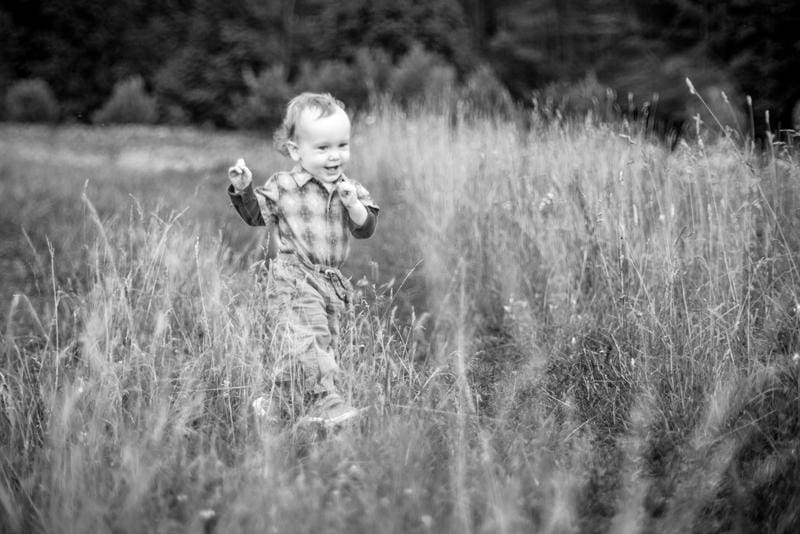
Watching your child learn to walk is a wonderful, albeit stressful, time in your life. You need to ensure that they have access to clear walkways and the right footwear, but they aren’t able to reach heat sources, like stoves.
Keep Walkways Clear
It’s a good idea to remove all potential fall hazards in order to keep your child safe when they’re learning to walk. For example, you should keep the halls clean and free of anything that could trip your child. Since his or her legs are short, he or she won’t be able to step over hall hazards the same way you can. Alternatively, you can provide your child with something to balance on, such as a walker or stroller, which will push things out of his or her way.
Get the Right Shoes
You and your child both need the right type and size of shoe for the type of climate in which you live. For example, if you reside in an area that gets heavy rain or snow, you might want to invest in some heavier shoes, such as boots. On the other hand, if you live in a sunny area, you should probably provide your child with lighter shoes, such as sandals. Additionally, you should try to find shoes that are easy to slip on your child’s feet quickly as he or she is likely to wiggle away.
Avoid Dangerous Situations
When starting to walk, many children are also beginning to learn more about the world through their senses. Some children will know that a fireplace or stove is hot and will stay away, especially if you have pointed it out to them. Others will not recognize the danger, which is why parents need to be aware of the risks that electrical outlets and fireplaces can pose.
There are a few things to keep in mind when your child begins learning to walk. First and foremost, children are curious and need to be kept at a safe distance from hazards, such as stoves, fireplaces and electrical outlets. Second, make sure that your child’s shoes are comfortable by purchasing footwear that makes sense for his or her environment. Finally, a child should have access to clear walkways. The further that a child can walk without tripping, the more he or she will be able to build his or her confidence in walking around.
Consider Scheduling a Nursing Well Check
As your toddler becomes more mobile, nursing can shift too. Some toddlers nurse less because they are busy exploring, while others nurse more for comfort, regulation, connection, or reassurance during big developmental changes. A nursing well check is a helpful way to make sure your child’s feeding patterns, growth, milk intake, latch, oral function, sleep rhythms, and developmental changes all fit together in a healthy way. It also gives you a chance to talk through questions about toddler nursing, weaning, nutrition, boundaries, and what is normal as your child becomes more independent. If your toddler is learning to walk and you are noticing changes in feeding, comfort nursing, sleep, or behavior, scheduling a nursing well check can help you feel more confident about what your child needs during this stage.
Want support as your toddler grows? Walking, nursing, sleep, comfort, and independence can all shift during this stage. A nursing well check gives you time with an IBCLC to talk through what is normal, what may need support, and how to help your toddler through this transition. Nursing Well Checks are covered by most commercial insurance plans with little to no out of pocket costs.
Verify Your Insurance Coverage
For some more great advice, check out this article: Night Weaning
When you want eyes on a feed
A feeding visit can untangle in an hour what days of searching can't
If feeding hurts, feels uncertain, or you just want reassurance you are on the right track, one of our IBCLCs can watch a feed and build a plan with you, in person or virtually.

How to Start the Weaning Process
Here you are, considering weaning. Maybe you met your breastfeeding goal, however long or short it was. Maybe your goal changed due to other circumstances like returning to…

Night-Weaning: Is Your Baby Ready?
It's the middle of the night and you are barely awake. But your little one is still breastfeeding and it's time for another feeding. We know YOU are…
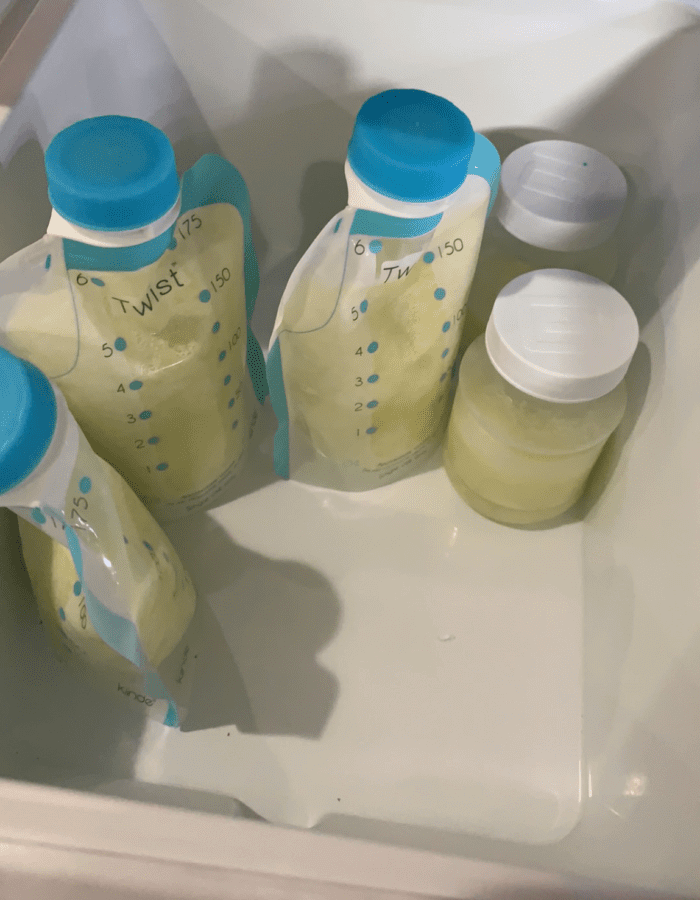
The Myth of the Freezer Stash: How Much Frozen Breastmilk Do You Really Need?
Over the years, I’ve noticed a growing obsession with the freezer stash of breastmilk. Somewhere along the way, many breastfeeding moms were led to believe that they should…
In your inbox
Feeding wisdom, once a month. No spam, no guilt.
Join our list for new articles, class dates, and the occasional reminder that you are doing better than you think.
We send about one email a month. Unsubscribe anytime.